

Every business wants to know how to get my business to rank on Google, but few understand what it actually takes to get there. Reaching the top of search engine result pages isn’t about guessing keywords or stuffing content with repetitive phrases—it’s about doing Google’s job for them. That means giving users fast loading times, valuable information, and a website that solves the searcher’s problem better than anyone else.
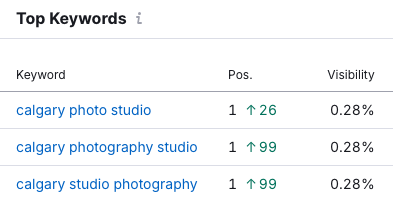
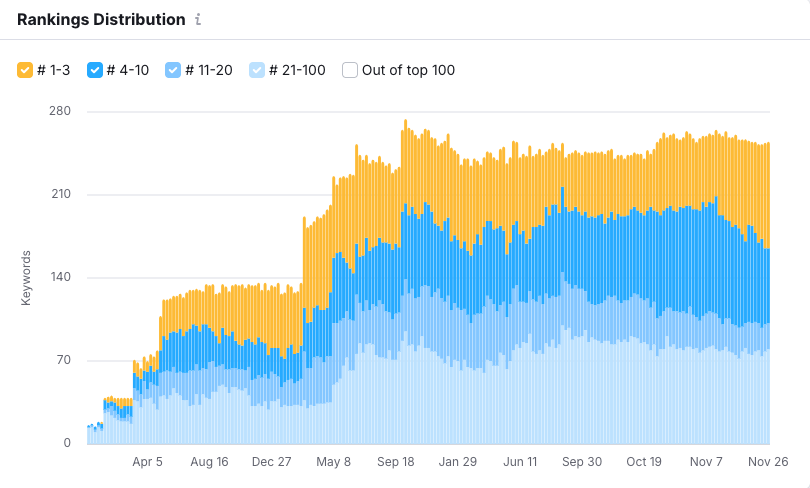
At Innovate Media, we recently helped a local business climb to the #1 position on Google in just 90 days using a strategic, data-driven approach. No shortcuts, no gimmicks—just consistent effort built on proven search principles.
Here’s the breakdown of what we did, why it worked, and how this strategy can be applied across a variety of industries using thoughtful Calgary SEO practices.
Why Solutions Beats Keywords Every Time
Google’s primary goal is simple: deliver the best possible answer for every search query. That means the websites that perform well are the ones that:
- Reduce bounce rates by giving visitors what they came for
- Provide clear, helpful content that answers questions directly
- Follow performance best practices
- Build trust through authority and strong user experience
Instead of obsessing over single google keywords, we focused on building topical relevance and authority. The goal wasn’t to chase traffic blindly, but to build real value and trust.
This is where many businesses go wrong—they try to rank by repeating keywords. Google’s modern algorithm prioritizes meaning, not repetition. So our focus shifted toward aligning content with intent, improving structure, and becoming a strong, trustworthy result.
Step 1: Analyzing Keyword Difficulty and Market Saturation
Before writing a single word, we analyzed the industry’s “keyword landscape.” This meant looking at:
- Search volume
- Keyword difficulty
- Search intent
- Competitor saturation
- User expectations
- Opportunities for quick wins
Instead of immediately pursuing the highest-volume keywords, we targeted attainable topics with reasonable competition levels. These “stepping-stone keywords” brought quick wins, increased our online visibility, and built momentum.
As authority and traffic grew, we gradually introduced higher-difficulty keywords into the content plan. This layered approach allowed the client to secure quick results while building a long-term path toward more competitive terms.
This is the opposite of keyword cannibalizing—where businesses chase too many of the same terms and dilute their own ranking potential.
Step 2: Building Content That Answers Real Questions
Users trust websites that give them the clearest, fastest, and most reliable answers. That’s the criteria Google uses too. To get our client to #1, we created content that:
- Directly solved searcher questions
- Explained complex topics in plain language
- Provided step-by-step value
- Included relevant examples and case insights
- Matched the search intent of real users
Every landing page, service page, and set of blog posts followed this same rule: if someone searches for your product or service, your website should answer every question they might have.
This increases session duration, reduces bounce rate, and signals to Google that your content deserves priority placement. We didn’t write content for algorithms—we wrote content for people, and the results followed.

Step 3: Strengthening On-Page SEO and Technical Foundations
Strong ranking requires more than good writing. Google also evaluates structure, clarity, and accessibility through page SEO and technical SEO signals. Here are the key on-page improvements we implemented:
Proper HTML Tags
We ensured every page used correct heading structure (H1, H2, H3), descriptive titles, and clear hierarchy so Google could easily read and understand the content.
Image Optimization
Photos were compressed and renamed with descriptive alt tags so they loaded quickly and improved accessibility.
Internal Link Structure
We strategically linked pages together so users—and Google—could find important information easily.
URL Improvements
Clean, readable URLs helped both users and crawlers understand what each page was about.
Mobile Performance
Over 60% of traffic came from mobile devices, so responsive layout and fast load times became a priority.
These adjustments created a smooth user experience and improved how search engines crawled and understood the site’s structure.
Step 4: Creating a Strong Off-Page SEO Strategy
Ranking #1 isn’t just about your website—it’s about who else is talking about you. Off-page authority is a major ranking factor, and Google relies on trusted, verified sources to determine credibility. Here’s what we did:
High Quality Backlinks
We secured mentions from niche-relevant websites with high domain authority. These weren’t random links—they were selected for trustworthiness and industry alignment for link building.
Local SEO and Google Business Profile
We optimized the client’s Google Business Profile, improved conversion signals, and strengthened local relevance for key terms.
Content Marketing
We published resources that other websites actually wanted to link to—guides, checklists, and reference materials.
Social Media Signals
Consistent posting and brand engagement supported visibility and built signals that users were interested in the brand.
Because backlinks act like “votes of confidence,” targeting the right websites helped us build authority rapidly and outperform saturated competitors.
Step 5: Reducing Bounce Rate by Improving User Experience
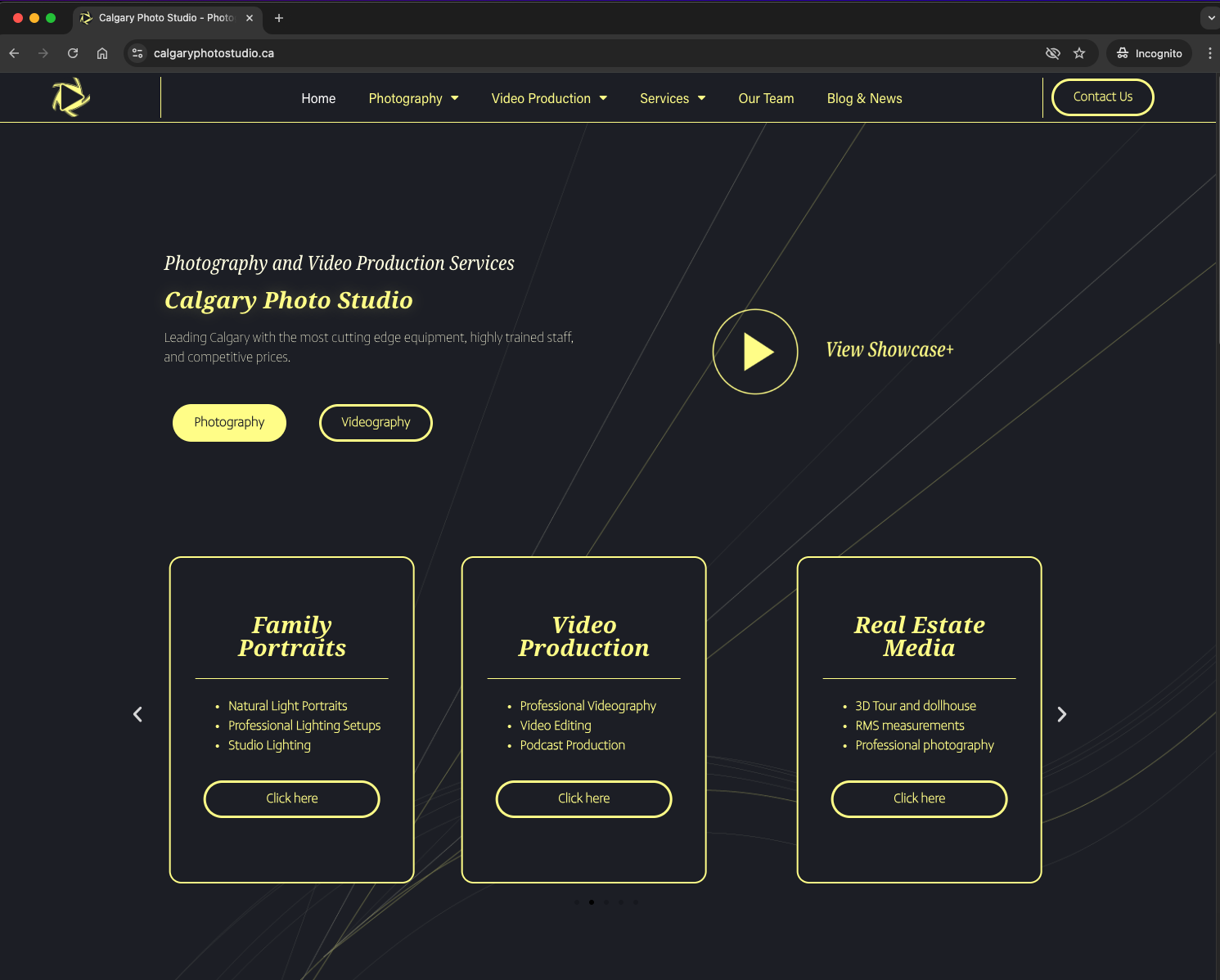
One of the most important improvements was making sure that once visitors arrived, they stayed. We redesigned key products and services pages to better meet user expectations by:
- Clarifying calls to action
- Improving layout flow
- Adding scannable sections and visuals
- Offering direct answers to common questions
- Reducing clutter and friction
When visitors find what they need immediately, they’re less likely to leave. That sends a strong positive signal to Google, which directly supported our climb to the #1 spot.
Step 6: Monitoring and Adjusting in Real Time
SEO isn’t set-and-forget. Throughout the 90-day timeline, we continuously monitored:
- Search behavior
- Crawl patterns
- Engagement metrics
- Traffic changes
- Content performance
- New Google SEO updates
As new ranking patterns and algorithm adjustments occurred, we refined our strategy to stay ahead. This real-time responsiveness is part of why the client ranked #1 so quickly.
The Bigger Picture: Ranking Comes from Value, Not Tricks
There’s no magic hack for ranking first on Google. The secret is creating a website that genuinely helps users, performs well, answers questions, and earns trust through consistency and quality.
Our approach wasn’t based on shortcuts—it was built on a complete, long-term digital foundation involving:
- Solid technical work
- Strong user experience
- Clear content
- Authority building
- Smart keyword planning
- Real customer value
This strategy works because it aligns with what Google wants. When you make users happy, Google rewards you.
If your goal is long-term ranking, sustainable growth, and stronger visibility, this framework can be adapted to any business, especially for those seeking search engine optimization Calgary support.
At Innovate Media, our team of SEO experts use these same principles across all our SEO services, helping businesses climb the rankings while building trust and visibility that lasts.